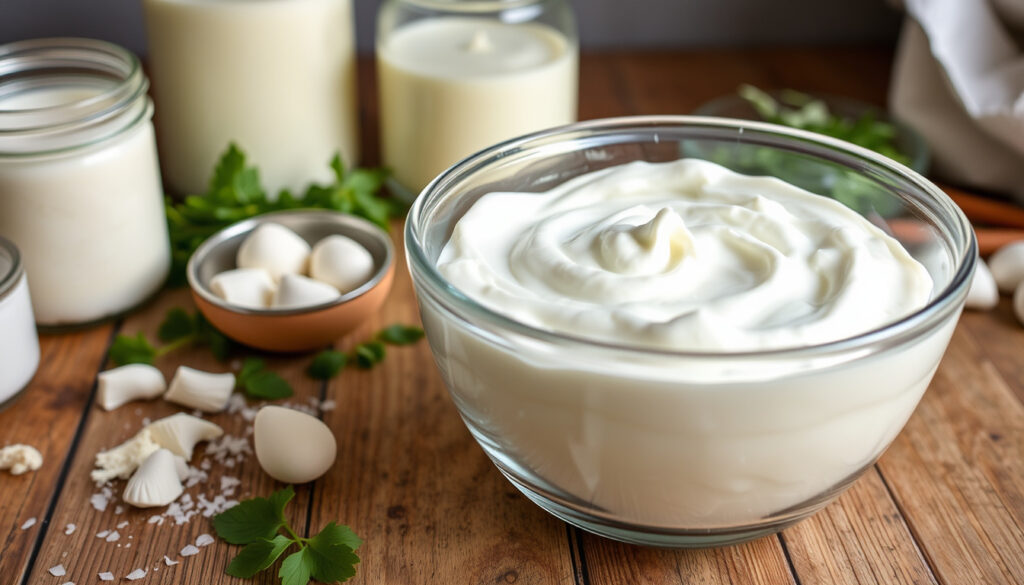
How to Make Sour Cream: Easy Recipes & Substitutes
Picture this: you’re about to dig into a plate of nachos or a bowl of baked potato soup, and you reach for the sour cream — only to find the container empty. It’s a small frustration, but one you won’t need to repeat once you know how easy it is to make your own at home. This guide walks you through four solid methods using pantry staples, plus a rundown of ready-made substitutes for when time is tight.
Basic Ingredients: 2 · Active Time: 5-10 minutes · Common Acid: Lemon juice or vinegar · Key Base: Heavy cream · Substitutes Available: 13 options
Quick snapshot
- Cream thickens with acid over several hours (Attainable Sustainable)
- Two-ingredient base works for most methods (Our Gabled Home)
- Refrigerated storage holds up to two weeks (Attainable Sustainable)
- Exact shelf life varies by fat content and culture used
- Regional availability of dairy-free Greek yogurt brands differs by market
- 5 minutes: yogurt + acid blend ready
- 4–8 hours: non-dairy soy ferment set
- Overnight to 24 hours: classic cream culture thickens
- Pick method by available time and ingredients
- Store finished sour cream up to two weeks refrigerated
| Detail | Value |
|---|---|
| Core Ingredients | Heavy cream, vinegar or lemon juice |
| Prep Time | 5–10 minutes |
| Thickening Time | Several hours or overnight |
| Yield | 1 cup |
| Storage | Up to 2 weeks refrigerated |
How to make your own sour cream?
The most common method starts with heavy cream and an acid. Pour cream, yogurt, and vinegar into a sterilised jar, shake well, and let it stand — a technique echoed across multiple tested recipes. This section covers three approaches that home cooks report as reliable, from the jar-shake shortcut to the overnight cloth-covered culture.
Basic recipe with heavy cream and vinegar
Stir 4 teaspoons of lemon juice into 2 cups of heavy cream (or use white vinegar as an alternative), cover loosely with a cloth at room temperature, and leave it to thicken overnight — or up to 24 hours if your kitchen is cool. The cloth cover lets the culture breathe while keeping dust and contaminants out. Once thickened to a creamy, tangy consistency, transfer to an airtight container and refrigerate.
Heavy cream and lemon juice is the pantry MVP combo. According to Attainable Sustainable (pantry guide site), this recipe keeps in the fridge for up to two weeks — so you can make a batch once and call on it all week.
Shaking method in a jar
Mix 1 cup of heavy whipping cream, ¼ cup of whole milk, and 2 teaspoons of white vinegar or lemon juice in a jar. Seal and shake lightly — just enough to combine. Set the jar aside uncovered or loosely capped, and let it sit until it thickens. The milk thins the cream slightly; the acid does the souring work. One key caution: avoid vigorous or prolonged shaking, which can turn the mixture into butter instead of sour cream.
The gentle shake matters. In The Kitchen With Matt (home cooking blog) recommends a light hand for exactly this reason — overworking the fat turns your batch into something closer to cultured butter.
Using a live-culture ferment starter
For a more traditional cultured result, add a tablespoon of yogurt with live active cultures or finished kefir to a cup of cream, stir, and let it sit at room temperature. The kefir substitution ratio works at 1 tablespoon per cup of cream, according to Cultures for Health (cultured-foods authority site). Both yogurt and kefir bring live bacterial cultures that develop a deeper, more complex tang than acid-only methods.
What this means: the cultured approach rewards patience. The flavor payoff is tangier, but it requires more time and, ideally, a room-temperature spot away from direct sunlight. Kefir can substitute for buttermilk as a ferment, and the process takes anywhere from 4 to 8 hours for non-dairy soy versions to overnight for dairy cream cultures.
How do you make sour cream when you don’t have any?
Sometimes the quickest fix isn’t in the fridge at all — it’s already in your pantry. Two ingredients and a few minutes are enough to produce something that satisfies the tang-and-creamy requirement for most uses. Here’s what works fastest.
Quick mix with 1 cup heavy cream and 1 tsp lemon juice
Whisk 1 cup of full-fat Greek yogurt with 1 tablespoon of vinegar or lemon juice, then set it aside for 5 minutes. The result is instant, requires no fermentation, and works as a 1-to-1 substitute in most recipes. Eats Delightful (recipe blog) notes this method takes under 5 minutes of active time, making it the fastest option in the guide.
BudgetBytes home method
The simplest version uses equal parts cream and milk with a tablespoon of white distilled vinegar. Combine in a jar, shake gently, and let sit until thickened. YouTube creators test both the yogurt-start and vinegar-only versions in parallel, confirming that the vinegar path produces a usable result in under an hour with no special equipment.
The implication: if you have heavy cream and something acidic on hand, you can skip the store run entirely. The acid method is faster than fermentation and produces a passable result for nearly any recipe context.
How to make sour cream from milk?
You don’t need heavy cream as the sole base — ordinary whole milk combined with a smaller amount of cream gets the job done. This approach stretches ingredients and still hits the right tang-to-consistency balance for most cooking applications.
Combine milk and vinegar first
The key step is letting milk and vinegar stand together for about 10 minutes before combining with cream. This pre-sours the milk, which then integrates more smoothly into the cream mixture. The Martha Stewart-adjacent jar method calls for combining equal parts cream and milk with a tablespoon of white distilled vinegar, then letting it sit covered for roughly 10 minutes.
| Method | Cream amount | Milk amount | Acid | Rest time |
|---|---|---|---|---|
| Traditional (overnight) | 2 cups | None | 4 tsp lemon juice | Overnight–24 hrs |
| Milk-blend (quick) | 1 cup | ½ cup | 1 tbsp vinegar | 10 min + chill |
| Yogurt-acid (instant) | None | None (Greek yogurt base) | 1 tbsp vinegar/lemon | 5 min |
Raw cream or whole milk is preferred by some home cooks for a richer final texture, according to In The Kitchen With Matt. The fat content matters — the more fat in your starting dairy, the creamier the end result.
What this means: milk alone doesn’t replicate the thickness, but milk-plus-cream bridges the gap. If you’re out of heavy cream, a 50-50 blend with milk and a bit of acid gets you surprisingly close to the real thing.
How to make sour cream without heavy cream?
Heavy cream isn’t always in the fridge — but yogurt is, and it handles the job with minimal fuss. Here are the most practical workarounds that don’t require a cream container.
Yogurt-based alternatives
Greek yogurt is the most versatile swap. Whisk 1 cup of full-fat Greek yogurt with 1 tablespoon of vinegar or lemon juice, let it stand 5 minutes, and it’s ready. The base carries enough fat and tang to stand in for sour cream in dips, sauces, and baked goods. Eats Delightful confirms this method works as a 1-to-1 replacement in most recipes.
Greek yogurt-based substitutes are thinner than traditional sour cream. Brod & Taylor (food-science blog) recommends adding 3 tablespoons of melted butter to ¾ cup plus 1 tablespoon of whole milk Greek yogurt when baking — that extra fat helps close the texture gap.
Other dairy swaps
Nonfat yogurt substitutes require added fat to match sour cream’s richness — butter or oil works here. Buttermilk is another strong option: its inherent cultures already deliver tang, so it blends directly with cream or can stand alone as a thinner, tangier substitute.
From yogurt directly
No blending required for straight use — just take Greek yogurt as-is and it’s a functional replacement in soups, sauces, and tacos. Brod & Taylor notes that a straight 1-to-1 substitution of whole milk yogurt for sour cream in baking yields lighter, slightly tangier results with less fat — useful when you’re trying to reduce richness.
The catch: yogurt-based substitutes lack the cultured depth of true sour cream. For everyday use they work fine — but if the recipe needs that specific fermented tang, go with a cultured method or add an extra pinch of acid to deepen flavor.
What can I use if I don’t have sour cream?
Beyond the DIY methods, there are pantry options and store-bought alternatives worth knowing about. Thirteen substitutes are out there, but most home cooks settle on a short list of practical picks.
13 simple substitutes
The most practical and widely available substitutes include Greek yogurt (full-fat), buttermilk (thinner, tangier), cottage cheese blended smooth, and cream cheese thinned with milk. For dairy-free needs, plant-based Greek-style yogurts made from soy or coconut work in a pinch. Sonshine Kitchen recommends combining 6 ounces of dairy-free plain Greek yogurt with ¾ teaspoon of fresh lemon juice, draining any excess liquid, and stirring until smooth — ready in about 30 minutes of refrigeration.
Quick pantry options
Mayonnaise mixed with a splash of lemon juice or vinegar approximates the fat content and tang of sour cream — a decent emergency option in savory dips. Mustard mixed with cream or yogurt can also close the flavor gap in salad dressings.
Store alternatives
If you’re near a grocery store, Greek yogurt is the most reliable one-to-one swap across cooking, baking, and topping use. Buttermilk is a close second, and it’s often stocked near dairy. For dairy-free contexts, look for brands like So Delicious that make plant-based Greek-style yogurts, according to Sonshine Kitchen.
Greek yogurt is the most versatile substitute across all use cases — but it’s not a perfect clone. For recipes where fat content matters (certain baked goods, rich sauces), the butter-adjusted version from Brod & Taylor is your best bet.
What this means: in almost every cooking situation, something in your kitchen already works as a sour cream stand-in. Greek yogurt covers the widest ground; for specific baking tasks, the adjusted ratios matter more than a raw swap.
“Making sour cream at home couldn’t be any easier! All you need is some Greek yogurt and vinegar/lemon juice, and 5 minutes of your time!”
“It’s a snap to make sour cream at home! This homemade sour cream substitute takes minutes to make & requires only two ingredients.”
Related reading: How to Make Sour Cream · Easy Homemade Sour Cream Recipe
This recipe starts with heavy cream, where grasping heavy cream vs whipping cream helps avoid mistakes in fat content for perfect thickness.
Frequently asked questions
How to make sour cream from yogurt?
Whisk 1 cup of full-fat Greek yogurt with 1 tablespoon of vinegar or lemon juice. Let it sit for 5 minutes and it’s ready. This is the fastest method, taking under 5 minutes of active time. Source: Eats Delightful
How to make sour cream in 5 minutes?
Combine Greek yogurt with an acid (vinegar or lemon juice) and it’s ready to use immediately. No fermentation or overnight waiting required. Source: Eats Delightful
How to make sour cream quickly?
The yogurt-acid method is the fastest option — ready in under 5 minutes. The cream-and-lemon overnight method is slower but produces a thicker, more traditional result. Choose based on your recipe deadline.
How to make sour cream with lemon juice?
Stir 4 teaspoons of lemon juice into 2 cups of heavy cream, cover loosely with a cloth, and let it thicken at room temperature overnight or up to 24 hours. Refrigerate once thickened. Source: Attainable Sustainable
How to make sour cream without lemon juice?
White distilled vinegar works as a direct substitute for lemon juice in equal measure. You can also use cultured buttermilk or kefir as a ferment starter — 1 tablespoon per cup of cream, per Cultures for Health.
Can I make my own sour cream substitute?
Yes. Greek yogurt mixed with vinegar or lemon juice is the simplest two-ingredient version. For a richer result, blend heavy cream with milk and vinegar and let it thicken. Both options produce a functional substitute for most cooking and baking uses.
What to get instead of sour cream?
Greek yogurt is the most widely available direct replacement. Buttermilk works in dressings and soups. For dairy-free needs, plant-based Greek-style soy or coconut yogurt with a squeeze of lemon juice handles most applications. Source: Sonshine Kitchen
Related reading
- How to Make Sour Cream — Attainable Sustainable
- Easy Homemade Sour Cream Recipe — In The Kitchen With Matt
- Cream — How to Make Homemade Sour Cream — Cultures for Health
- Greek Yogurt as a Substitute for Sour Cream — Brod & Taylor
More related posts
 49ers vs New York Giants Match Player Stats: 34-24 Final
 Home Decorating Rules: 3-5-7, 70/30, 2-Foot & 3 Color Guide
 Rôti de Porc au Four: Perfect Oven Temperature & Juicy Tips
 Flo Rida: Son’s Accident, Political Views, and No. 1 Hits
 Taron Egerton: Biography, Age, Height, Movies, and Personal Life
 160 USD to CAD: Convert US Dollars to Canadian Dollars
 Vladimir Guerrero Jr. Stats – Career, 2024 & Advanced Metrics
